Lemon Panna Cotta Recipe
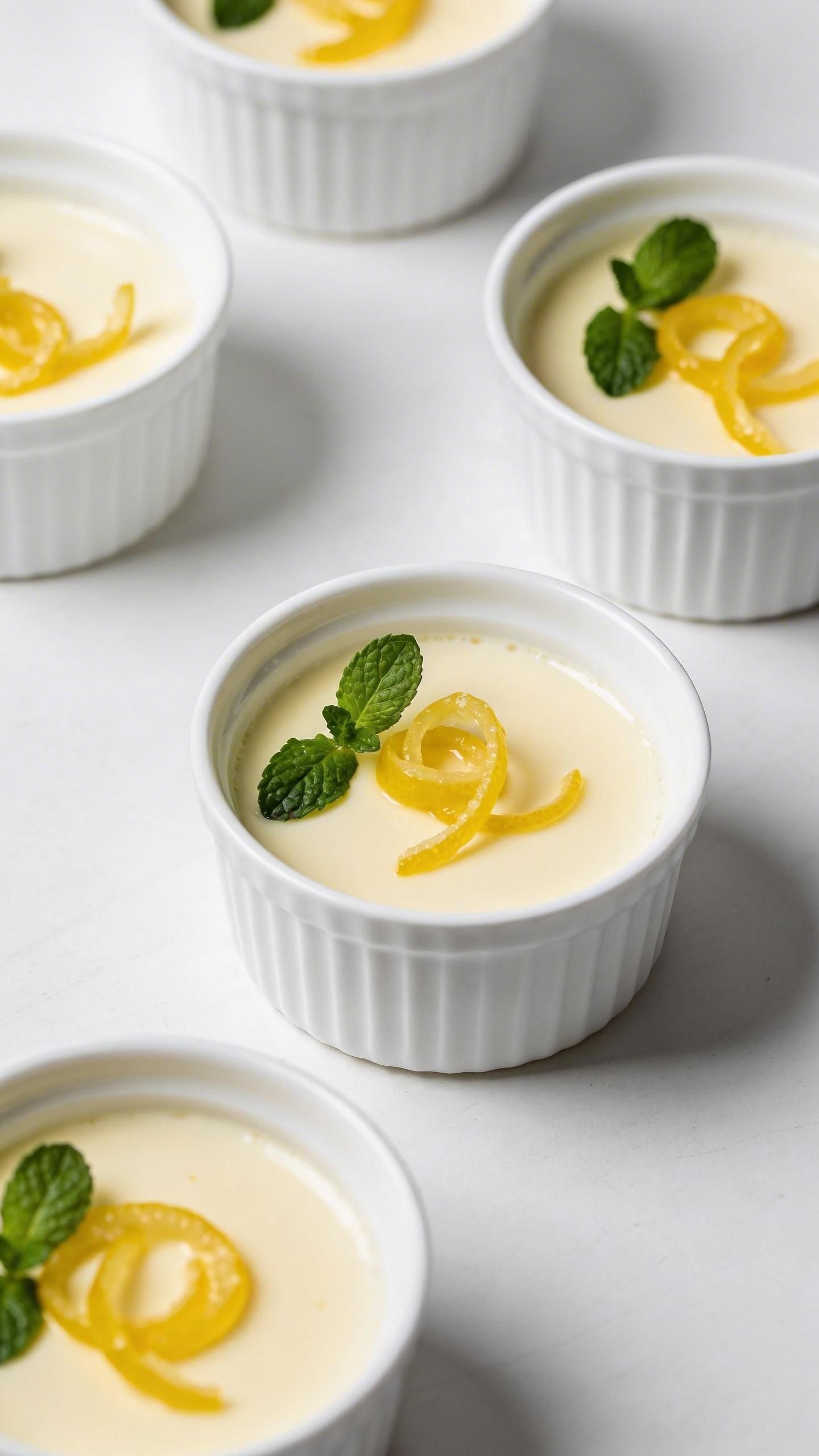
There’s something magical about a dessert that looks elegant but comes together in minutes. Lemon panna cotta is exactly that kind of showstopper!
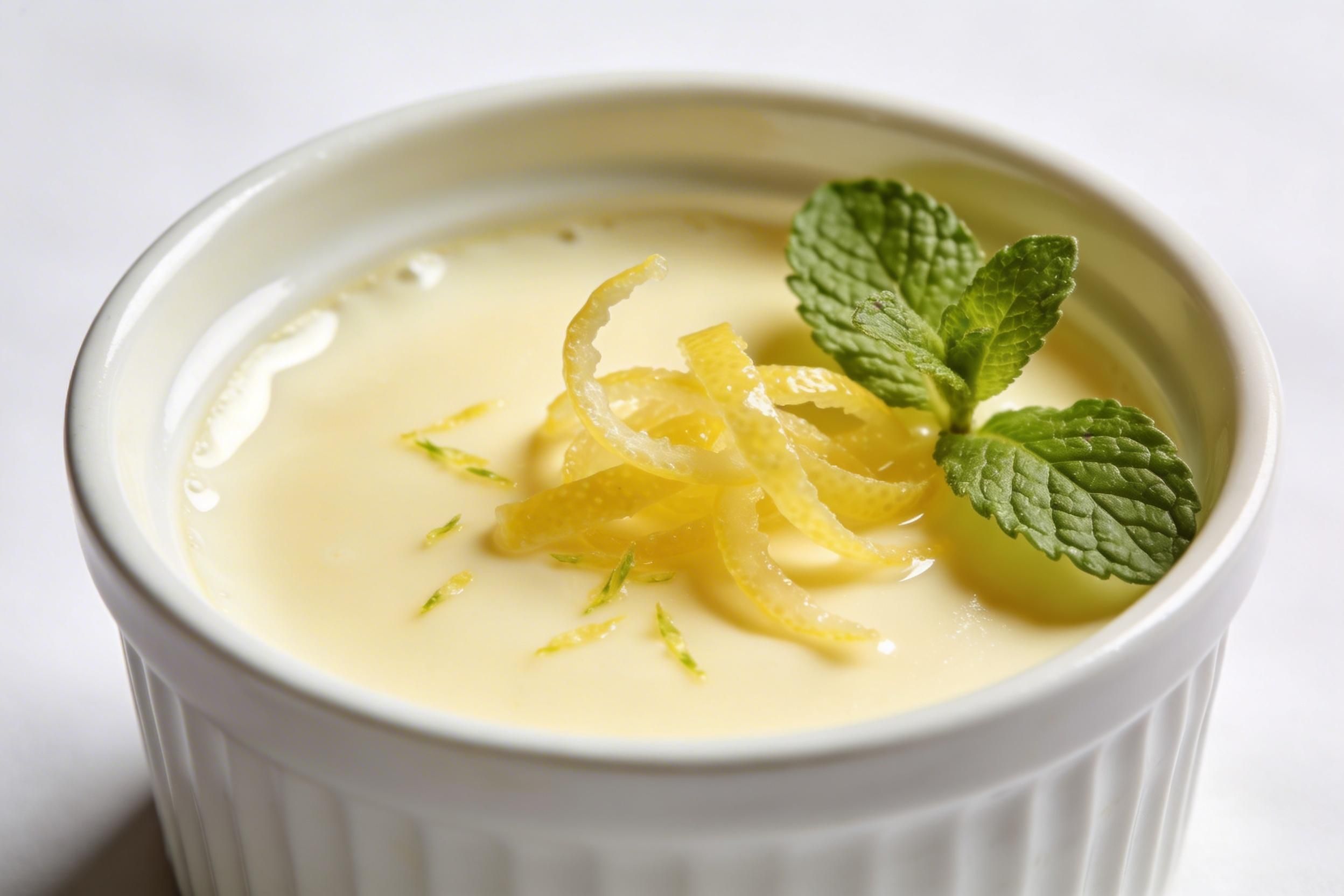
This Italian classic transforms simple ingredients into a creamy, dreamy treat that literally melts on your tongue. I’ve made this recipe countless times for dinner parties, and guests always ask for the recipe. The bright citrus notes cut through the richness perfectly, making it refreshing yet indulgent at the same time.
What Makes This Recipe So Good
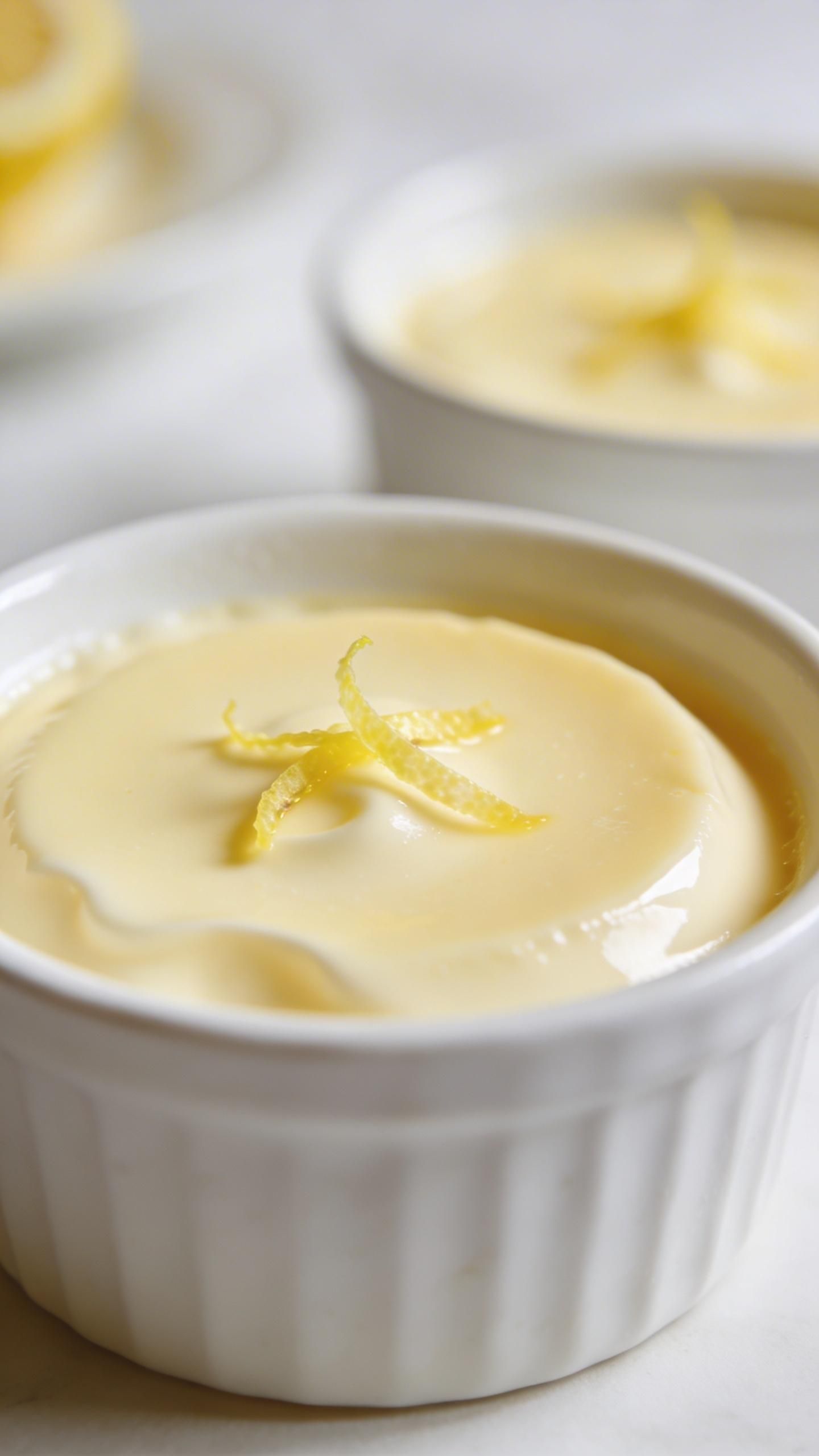
This lemon panna cotta stands out because it strikes the perfect balance between creamy and light. The gelatin gives it that signature wobble without being rubbery, while the lemon zest and juice add a bright, fresh flavor that keeps you coming back for more.
The beauty of this dessert lies in its simplicity. You don’t need fancy equipment or professional pastry skills. Just a saucepan, some ramekins, and about 15 minutes of active time. The fridge does all the heavy lifting while you relax.
What really sets this version apart is the careful ratio of cream to milk. Too much cream and it’s overly rich. Too much milk and it loses that luxurious texture. This recipe hits the sweet spot every single time.
Ingredients You Need
- 2 cups heavy cream
- 1 cup whole milk
- 1/2 cup granulated sugar
- 2 1/2 teaspoons unflavored gelatin powder (one packet)
- 3 tablespoons cold water
- Zest of 2 lemons
- 1/4 cup fresh lemon juice
- 1 teaspoon vanilla extract
- Pinch of salt
How To Make My Lemon Panna Cotta
- Bloom the gelatin: Pour the cold water into a small bowl and sprinkle the gelatin evenly over the surface. Let it sit for about 5 minutes until it looks spongy and absorbed. This step is crucial for smooth texture!
- Heat the dairy mixture: Combine the heavy cream, milk, sugar, lemon zest, and salt in a medium saucepan. Place over medium heat and stir occasionally until the sugar dissolves completely and the mixture just begins to steam. Don’t let it boil!
- Add the gelatin: Remove the pan from heat and add the bloomed gelatin. Whisk gently until the gelatin dissolves completely with no lumps remaining. This should take about a minute.
- Incorporate the lemon juice: Stir in the fresh lemon juice and vanilla extract. The mixture might look slightly curdled at first, but keep stirring and it will smooth out beautifully.
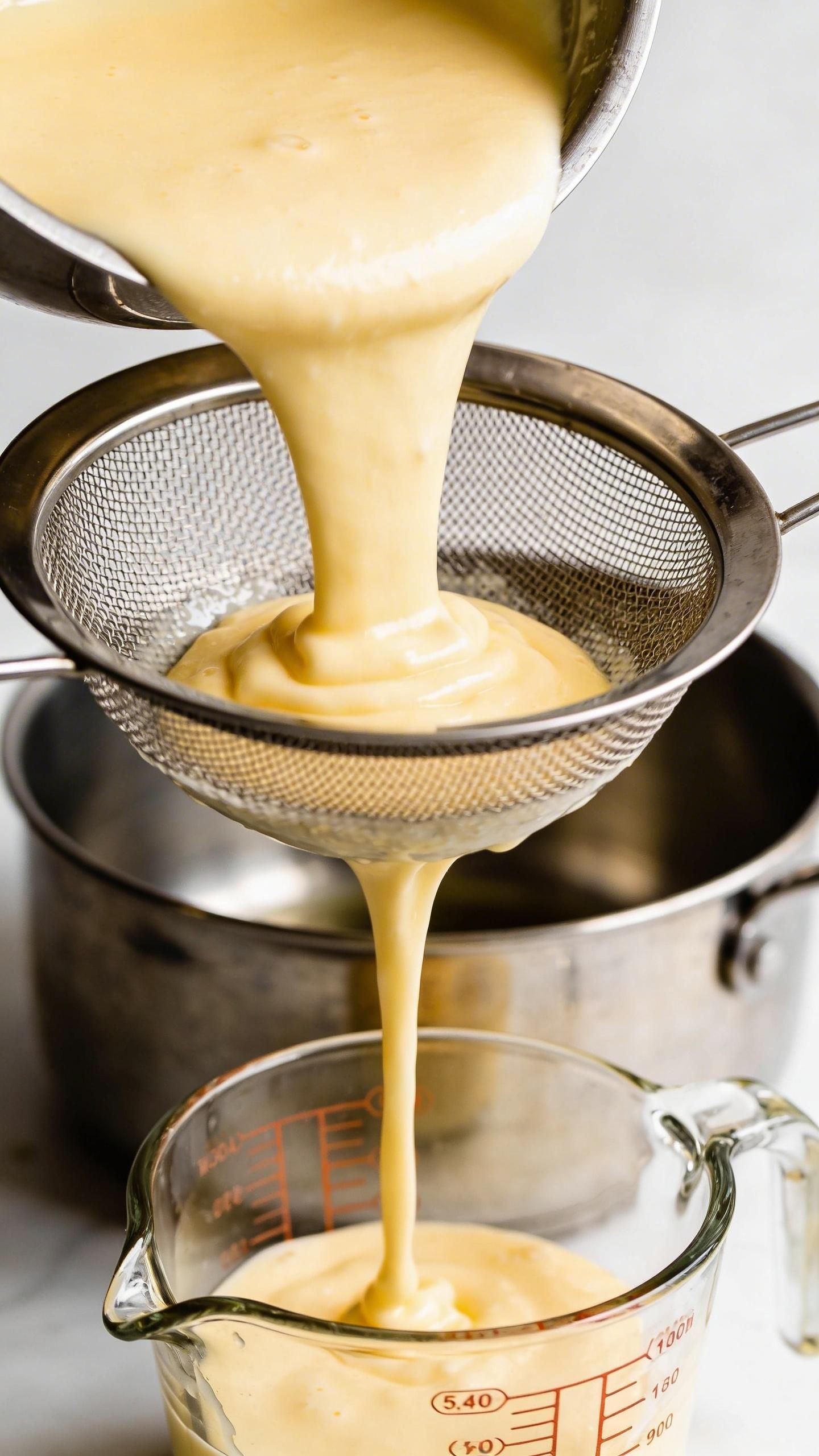
- Strain the mixture: Pour the mixture through a fine-mesh strainer into a large measuring cup or bowl with a spout. This removes the lemon zest and ensures a silky-smooth texture.
- Fill the molds: Divide the mixture evenly among six ramekins or serving glasses. You can lightly oil the ramekins first if you plan to unmold them later.
- Chill until set: Cover each ramekin with plastic wrap and refrigerate for at least 4 hours, or preferably overnight. The panna cotta should be firm but still have a gentle wobble when you shake it.
- Serve: If serving in the ramekins, simply remove the plastic wrap and serve as is. To unmold, run a thin knife around the edge, dip the bottom in warm water for a few seconds, and invert onto a plate.
Storage Instructions
- Refrigerator storage: Keep your lemon panna cotta covered with plastic wrap in the refrigerator for up to 5 days. The texture actually improves after the first day as the flavors meld together.
- Freezing is not recommended: The gelatin-based texture doesn’t freeze well and will become grainy and separated when thawed. Always make this dessert fresh or within a few days of serving.
- Cover properly: Always keep the panna cotta covered to prevent it from absorbing other refrigerator odors and to keep the surface from drying out.
- Prepare toppings separately: If you’re adding fresh berries, compote, or other toppings, store them separately and add just before serving to maintain the best texture.
Benefits Of This Recipe
- Make-ahead friendly: This dessert actually needs to be made in advance, which means less stress on the day you’re serving it. Perfect for entertaining!
- Impressive presentation: Lemon panna cotta looks fancy and restaurant-worthy, but nobody needs to know how easy it was to make.
- Customizable flavors: The base recipe is incredibly versatile. You can adjust the lemon intensity or add other flavors without compromising the texture.
- Light yet satisfying: Despite being creamy, this dessert doesn’t feel heavy. The citrus notes make it refreshing and perfect after a big meal.
- No baking required: On hot days, you don’t need to turn on the oven. Everything happens on the stovetop in minutes.
Pitfalls To Watch Out For
- Don’t boil the cream mixture: Boiling can affect how the gelatin sets and may cause the cream to develop an unpleasant cooked flavor. Keep it at a gentle simmer.
- Avoid using too much gelatin: More gelatin doesn’t mean better results. Too much creates a rubbery texture that’s nothing like the silky panna cotta you’re aiming for.
- Don’t skip straining: Those little bits of lemon zest might seem harmless, but they can create an uneven texture. Straining ensures that signature smoothness.
- Watch the lemon juice amount: Too much acid can interfere with the gelatin setting properly. Stick to the measurements in the recipe for best results.
- Give it enough time to set: Rushing the chilling process leads to a panna cotta that’s too soft and won’t hold its shape. Patience pays off here!
Alternatives
- Dairy-free version: Replace the cream and milk with full-fat coconut milk for a vegan-friendly lemon panna cotta. You might need to adjust the gelatin (or use agar-agar) for proper setting.
- Different citrus flavors: Swap the lemon for lime, orange, or even grapefruit. Blood orange creates a stunning pink color that’s perfect for special occasions.
- Buttermilk variation: Replace half the milk with buttermilk for a tangier, more complex flavor profile that pairs beautifully with berries.
- Lighter version: Use half-and-half instead of heavy cream to reduce the richness. The texture will be slightly less creamy but still delicious.
- Honey sweetener: Replace the granulated sugar with honey for a more nuanced sweetness. Use slightly less honey as it’s sweeter than sugar.
Frequently Asked Questions
Can I use bottled lemon juice instead of fresh?
Fresh lemon juice really makes a difference in this recipe. Bottled juice often has a bitter, artificial taste that becomes very noticeable in a delicate dessert like panna cotta. Fresh is definitely worth it!
Why is my panna cotta not setting?
This usually happens if the gelatin wasn’t properly bloomed, the mixture was too hot when you added the gelatin (which can kill its setting power), or you didn’t use enough gelatin. Make sure you’re measuring accurately and following the blooming steps carefully.
Can I make this without gelatin?
Traditional panna cotta requires gelatin for its signature texture. However, you can use agar-agar as a vegetarian alternative. Use about 2 teaspoons of agar-agar powder, but note that the texture will be slightly firmer and less creamy.
How do I know when the panna cotta is fully set?
A properly set lemon panna cotta should wobble gently when you shake the ramekin, but it shouldn’t be liquid. If you touch the surface lightly, it should feel firm but still have some give. After 4-6 hours in the fridge, it should be ready.
What toppings work best with lemon panna cotta?
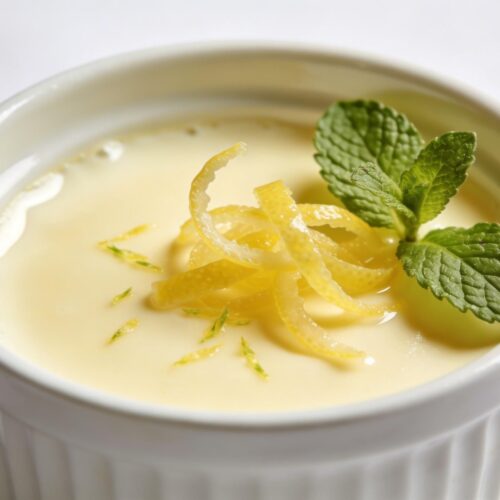
Fresh berries are classic and complement the citrus beautifully. You can also try berry compote, candied lemon peel, whipped cream, or a simple drizzle of honey. Keep toppings light so they don’t overwhelm the delicate flavor.
Can I double this recipe?
Absolutely! This recipe doubles or triples easily. Just make sure you have enough ramekins or serving glasses, and enough refrigerator space for everything to chill properly.
Wrapping Up
This lemon panna cotta recipe proves that impressive desserts don’t have to be complicated. With just a handful of ingredients and minimal effort, you can create something that tastes like it came from an Italian restaurant. The silky texture combined with bright lemon flavor makes it the perfect ending to any meal.
Whether you’re hosting a dinner party or just treating yourself to something special, this dessert delivers every single time. Make it once, and I guarantee it’ll become a regular in your recipe rotation. The combination of creamy, citrusy, and absolutely divine is simply irresistible!
Lemon Panna Cotta Recipe

Ingredients
- 2 cups heavy cream
- 1 cup whole milk
- ½ cup granulated sugar
- 2 ½ teaspoons unflavored gelatin powder one packet
- 3 tablespoons cold water
- Zest of 2 lemons
- ¼ cup fresh lemon juice
- 1 teaspoon vanilla extract
- Pinch of salt
Instructions
- Bloom the gelatin: Pour the cold water into a small bowl and sprinkle the gelatin evenly over the surface. Let it sit for about 5 minutes until it looks spongy and absorbed. This step is crucial for smooth texture!
- Heat the dairy mixture: Combine the heavy cream, milk, sugar, lemon zest, and salt in a medium saucepan. Place over medium heat and stir occasionally until the sugar dissolves completely and the mixture just begins to steam. Don’t let it boil!
- Add the gelatin: Remove the pan from heat and add the bloomed gelatin. Whisk gently until the gelatin dissolves completely with no lumps remaining. This should take about a minute.
- Incorporate the lemon juice: Stir in the fresh lemon juice and vanilla extract. The mixture might look slightly curdled at first, but keep stirring and it will smooth out beautifully.
- Strain the mixture: Pour the mixture through a fine-mesh strainer into a large measuring cup or bowl with a spout. This removes the lemon zest and ensures a silky-smooth texture.
- Fill the molds: Divide the mixture evenly among six ramekins or serving glasses. You can lightly oil the ramekins first if you plan to unmold them later.
- Chill until set: Cover each ramekin with plastic wrap and refrigerate for at least 4 hours, or preferably overnight. The panna cotta should be firm but still have a gentle wobble when you shake it.
- Serve: If serving in the ramekins, simply remove the plastic wrap and serve as is. To unmold, run a thin knife around the edge, dip the bottom in warm water for a few seconds, and invert onto a plate.